Trying to decide between Oak Lawn and Turtle Creek for your next Dallas condo move? Both offer an in-town lifestyle with strong walkability, access to green space, and quick commutes. The right fit comes down to your budget, amenity preferences, and how you want to live day to day. In this guide, you’ll compare building styles, HOA considerations, walkability, financing, and sourcing strategies so you can choose with confidence. Let’s dive in.
Oak Lawn condo living: what to expect
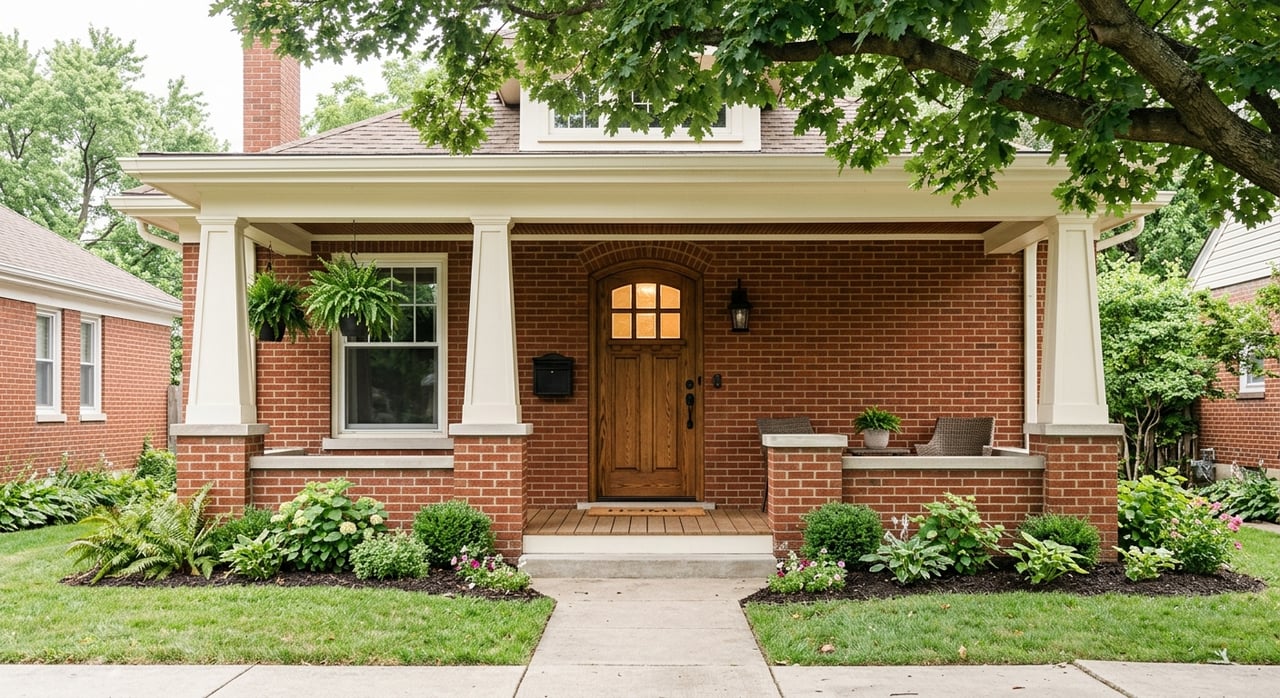
Oak Lawn gives you a broad mix of options. You will find older garden-style condos, low and mid-rise buildings, townhomes, and some newer boutique developments. Many associations are smaller in size compared to a single large full-service tower, which often means a more modest set of amenities and varied monthly dues.
Typical floor plans span one-bedrooms and efficient two-bedrooms in older buildings along with renovated spaces in newer or updated communities. If you like variety and want more price points to consider, Oak Lawn generally offers a wider spread of inventory. You will also be close to restaurants and nightlife along Cedar Springs with quick access to the Katy Trail.
Walkability in Oak Lawn is strong by Dallas standards, with address-by-address differences from one block to the next. Neighborhood-level data shows Oak Lawn among the city’s most walkable areas, and you can check specific addresses using the Dallas page on Walk Score for a more precise read. For context, see how Walk Score ranks Dallas neighborhoods on the city map at Walk Score’s Dallas overview.
Turtle Creek condo living: what to expect
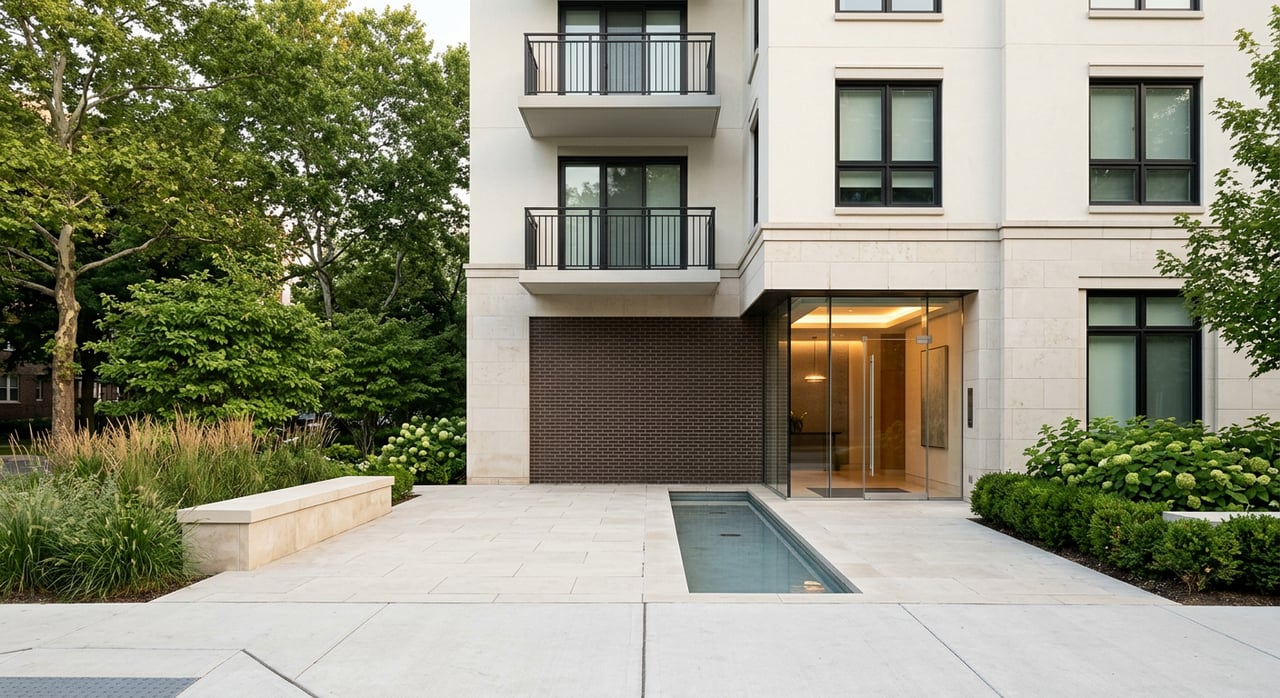
Turtle Creek is a narrower, park-adjacent corridor known for full-service high-rise living. Buildings frequently offer concierge and valet services, staffed entries, secured parking, and on-site amenities that appeal to lock-and-leave buyers. You will also find architecturally notable mid and high-rise residences with a luxury feel.
Unit sizes vary from compact one-bedrooms to multi-thousand-square-foot residences, often with upgraded finishes. Because the corridor is defined by full-service properties, monthly HOA dues can run higher, sometimes into the thousands for larger or premium units. If you want service, a park-front setting, and a quieter feel near the creek, Turtle Creek checks those boxes.
A signature perk is direct access to Turtle Creek Park and the Katy Trail. The park is a 20-acre green corridor with formal gardens and Arlington Hall, and it connects to the 3-plus-mile Katy Trail for walking and cycling. Explore amenities, events, and the park’s layout through the Turtle Creek Conservancy.
Walkability, parks, and daily convenience
Both areas score well for walkability, and central Turtle Creek addresses often land in the high range on block-level scores. Oak Lawn’s scores are also strong, with more variation from block to block. For a specific building, always check the address on Walk Score’s Dallas map to see the exact rating.
If easy access to green space matters, Turtle Creek’s park frontage is a daily lifestyle upgrade. You can step outside for a jog on the Katy Trail, attend community events at Arlington Hall, or find a quiet bench along the creek. Oak Lawn residents also reach the same trail and parks quickly while staying closer to a broader mix of dining and nightlife.
Commute and access across Dallas
You are close to major job centers in either neighborhood. Turtle Creek sits roughly 2 to 3 miles north of Downtown Dallas, which makes biking or short drives realistic for many professionals. Oak Lawn is similarly central and typically a short car ride to Downtown depending on traffic.
Both areas offer quick access to the Medical District corridors. Drives to Dallas Love Field commonly show in the 10 to 15 minute range in off-peak traffic, which is a practical plus if you travel often. For North Dallas corporate nodes, expect more variability and compare your door-to-door route during your typical commute window.
Costs and HOAs: how to compare well
With condos, the monthly HOA is only part of the story. Two buildings with similar dues can include very different line items, so you want clarity on what your monthly payment covers and how the association is managed.
Use this quick framework when you compare:
- Coverages and utilities. Confirm whether dues include water, trash, internet, or even some electric in certain buildings. Full-service towers often bundle more services.
- Services and staffing. Concierge, valet, porter, and on-site management can drive dues higher. Decide if those amenities match your lifestyle.
- Insurance scope. Ask what the master policy covers and whether interior improvements are included. This affects how you insure the unit.
- Reserves and upcoming projects. Healthy reserves reduce the chance of special assessments. Request and review the budget and reserve policy.
In Texas, buyers receive an association resale certificate that outlines key financials, rules, and fees. The Texas Property Code sets timelines and gives buyers protections if documents are not delivered on time. Review requirements and timelines in the state statute for resale certificates at the Texas Property Code, Section 82.157.
Lenders also look closely at building health. They focus on reserves, owner occupancy, assessment delinquencies, and any active litigation that could impact financing or future dues. For a quick primer on how these items are evaluated in condo projects, see the lender and association focus areas summarized in this condo finance glossary.
Financing and condo approvals
Some loan programs have project-level requirements, including owner-occupancy minimums, reserve funding, and commercial space limits. If a building is not on an agency-approved list, you may still finance with a conventional lender or a single-unit approval, but underwriting can be tighter. Get clarity early by asking your lender about the building’s status and your loan options.
For an overview of how FHA condo approval works and when spot or single-unit approvals may apply, review this explainer on FHA condo approvals and single-unit options. Your best move is to align your lender, HOA documents, and contract dates so you know what is required and when.
How to shop smart in each area
A building-by-building strategy will save you time and position you for better outcomes. Here is how to approach the search like a local pro:
- Create a targeted building list. For Turtle Creek, list full-service addresses you like and track recent comps and HOA details by building. For Oak Lawn, include both garden communities and mid-rise properties because inventory is broader.
- Watch the MLS for alerts. Ask your agent to set building-specific alerts so you see new listings and price changes as they hit. Building-level comps often matter more than neighborhood medians with condos.
- Tap delayed and office-exclusive channels. In 2025, NAR introduced new MLS categories that allow delayed marketing and office-exclusive paths with documented seller consent. A connected agent can surface opportunities earlier through these channels. Read about these options in NAR’s update on Multiple Listing Options for Sellers.
- Be ready to move. Off-market or early opportunities favor buyers with pre-approval or proof of funds, clear timelines, and fast decision capacity.
If you want early access to select listings, ask about Private Exclusives within the Compass network. Paired with neighborhood relationships and targeted outreach, it can be a useful way to see options that are not yet widely syndicated online.
Real-world building profiles to guide you
It helps to picture the types of residences you may tour in each area:
- Turtle Creek full-service towers. Think The Vendome, The Plaza at Turtle Creek, and Renaissance on Turtle Creek. Expect door staff, valet, secured parking, amenity decks, and HOA dues that reflect a full-service operation. Prices often range from several hundred thousand to multi-million for larger or premium units.
- Oak Lawn garden and mid-rise communities. Older garden-style complexes near Cedar Springs or the Medical District can offer more attainable entry points, with one-bedrooms and modest two-bedrooms common. Renovated units and townhomes in mid-rise or boutique communities fill the middle of the market.
Use building-level comps for pricing, and compare dues in detail. In full-service buildings, higher monthly assessments can still pencil out when you account for included utilities, insurance scope, and bundled services.
Due diligence checklist for Dallas condos
Before you make an offer, stack the deck in your favor with a firm review process:
- Request the resale certificate, bylaws, rules, current budget, reserve policy, and last 12 months of meeting minutes. Texas timelines and buyer protections are outlined in the Texas Property Code.
- Confirm owner-occupancy, assessment delinquencies, reserves, and any active or threatened litigation. These items can affect financing and resale. For lender focus areas, see the condo finance glossary.
- Ask about rental caps, parking assignments, storage, and any planned capital projects that could lead to special assessments.
- Align financing with the building’s status. If you want FHA or a low-down-payment conventional loan, have your lender review the building’s eligibility early. For an overview of FHA processes, review FHA condo approvals and single-unit options.
- Stay current on HOA administration changes. Recent state-level updates refined fees and disclosure standards for larger associations. For context, see this summary of the 2025 legislative update affecting HOA processes at Texas HOA Law.
Which area fits your lifestyle
Choose Turtle Creek if you want a park-front setting, strong walkability, and full-service living where convenience is the priority. You will likely pay higher dues for services, but the tradeoff is a lock-and-leave lifestyle with staff support and quick access to Turtle Creek Park and the Katy Trail.
Choose Oak Lawn if you want more price variety, a mix of building types, and easy access to restaurants and nightlife. You can find both entry-level and mid-range options across garden communities, mid-rises, and townhomes. Walkability is strong, and block-by-block character gives you more flexibility to balance budget and lifestyle.
Not sure which one is right for you? Tour a few buildings in each neighborhood on the same day and compare commute times, lobby feel, HOA coverage, and how the street scene matches your daily routine.
Next steps
If you are weighing Oak Lawn against Turtle Creek, the best next step is a building-level plan tailored to your price range, timeline, and financing. We will shortlist addresses, line up tours, and review HOA documents so you can decide with clarity.
Ready to start? Schedule a friendly strategy call with the Cardoza Group, Inc. As a Dallas-born advisor backed by Compass tools, we combine local knowledge with Private Exclusives access to help you find the right condo at the right number.
FAQs
What is the biggest difference between Oak Lawn and Turtle Creek condos?
- Turtle Creek concentrates luxury, full-service high-rises by the park, while Oak Lawn offers a broader mix of garden, mid-rise, and townhome options across more price points.
How high are HOA fees in Turtle Creek high-rises?
- In full-service buildings, monthly dues can be significantly higher, sometimes into the thousands for larger or premium units, because services and staffing are bundled.
Is Oak Lawn walkable and near parks and trails?
- Yes, Oak Lawn is among Dallas’s more walkable neighborhoods and offers quick access to the Katy Trail and Turtle Creek Park; check specific addresses on Walk Score.
What HOA documents should I review before buying a Dallas condo?
- Ask for the resale certificate, bylaws, rules, current budget, reserve policy, meeting minutes, and any special assessment notices per the Texas Property Code.
Can I use FHA or conventional financing for condos here?
- Often yes, but it depends on the building’s project-level status; learn how approvals and single-unit options work at this FHA condo approval overview.
How do I find off-market or early condo opportunities?
- Ask your agent to monitor office-exclusive and delayed-marketing channels described in NAR’s Multiple Listing Options, and to leverage network relationships for early leads.