You can find two very different versions of Fort Worth living, and both can be appealing for the right reasons. One path leads you to older neighborhoods with preserved architecture, close-in locations, and strong neighborhood identity. The other takes you to newer communities with modern layouts, amenity packages, and a more predictable ownership experience. If you are trying to decide between the two, this guide will help you compare what matters most in Fort Worth. Let’s dive in.
Why this choice matters in Fort Worth
Fort Worth offers a clear contrast between historic districts near the urban core and newer master-planned communities farther out. That makes it a great market for buyers who want options, but it can also make the decision feel less obvious.
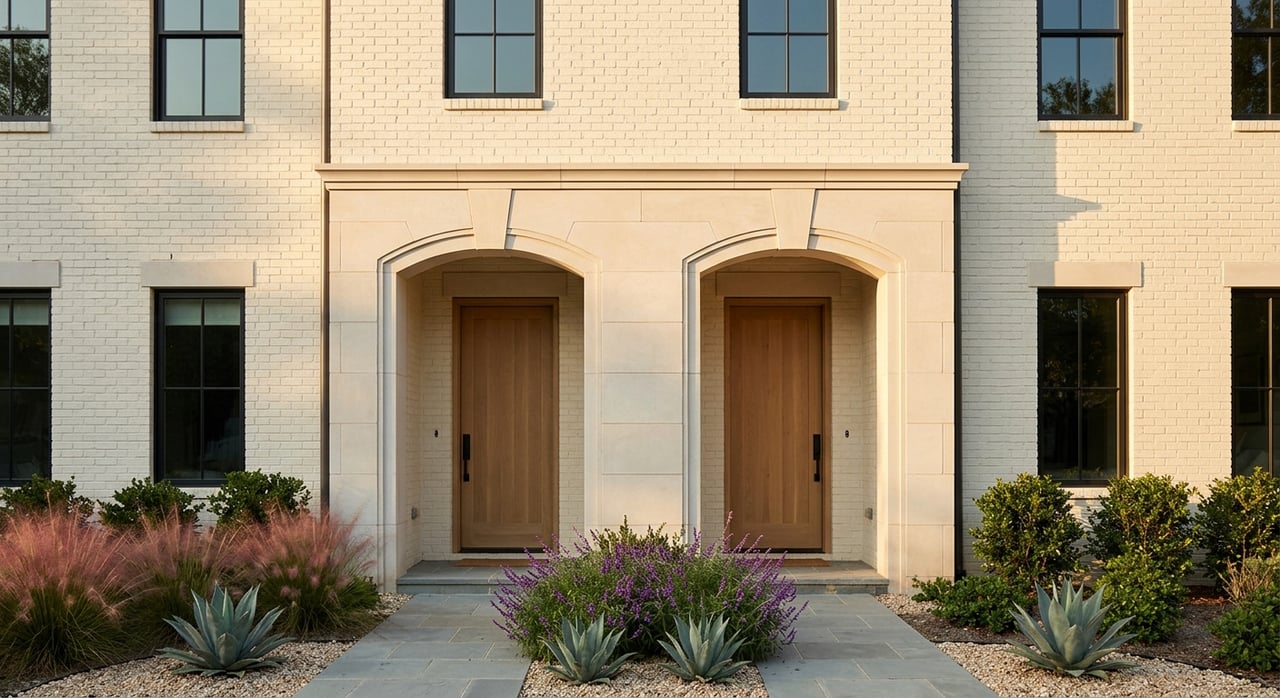
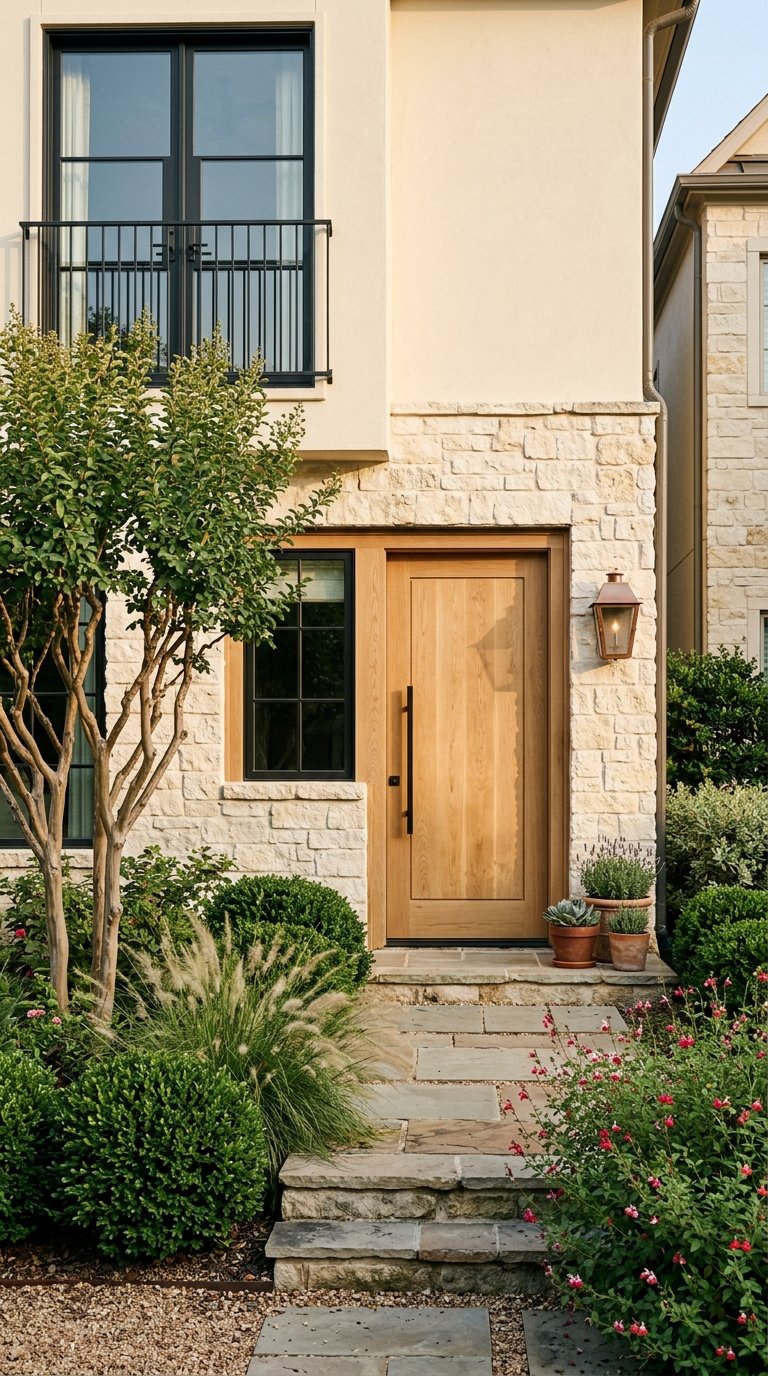
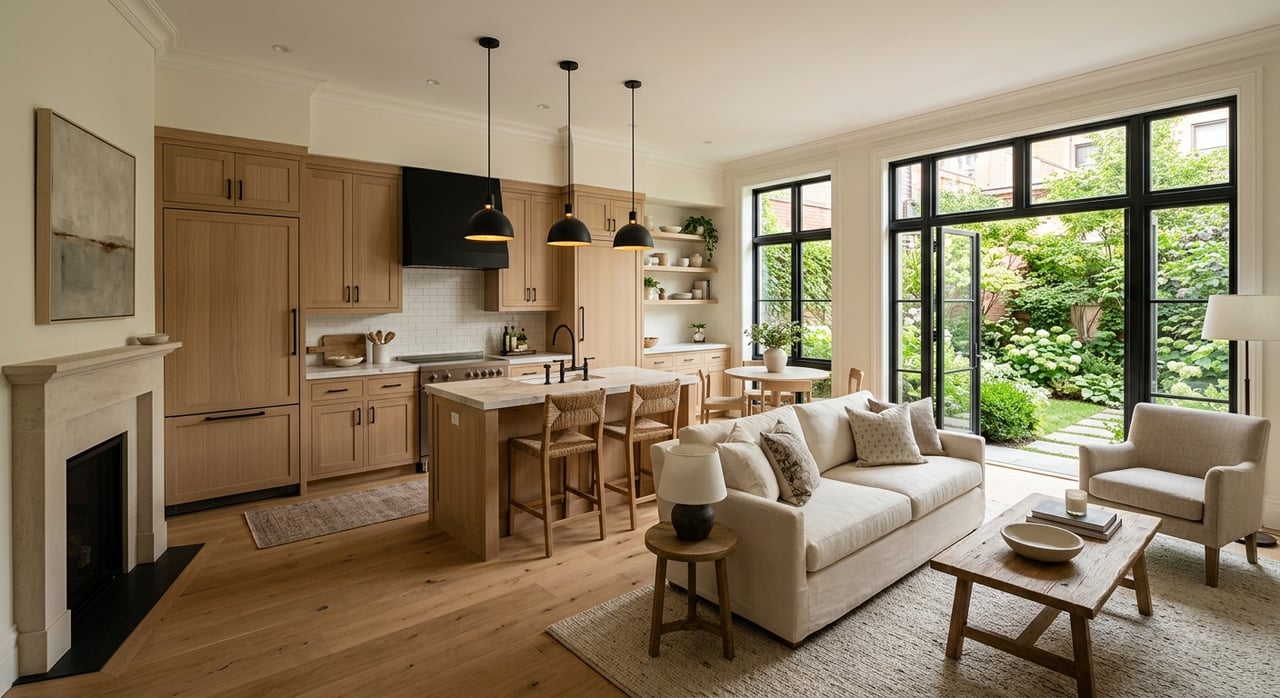
In simple terms, historic homes tend to stand out for character, location, and neighborhood feel, while new construction often stands out for amenities, homesite variety, and easier customization within current rules. Your best fit usually depends on how you want to live day to day, not just what looks best in photos.
What defines a historic Fort Worth home
Fort Worth’s preservation resources point to several well-known historic areas that give buyers a strong sense of place. The city highlights neighborhoods like Fairmount, Ryan Place, Berkeley Place, and Historic Southside as useful examples of older housing stock paired with distinct neighborhood identity. You can explore the city’s historic preservation resources through the Fort Worth Historic Preservation program.
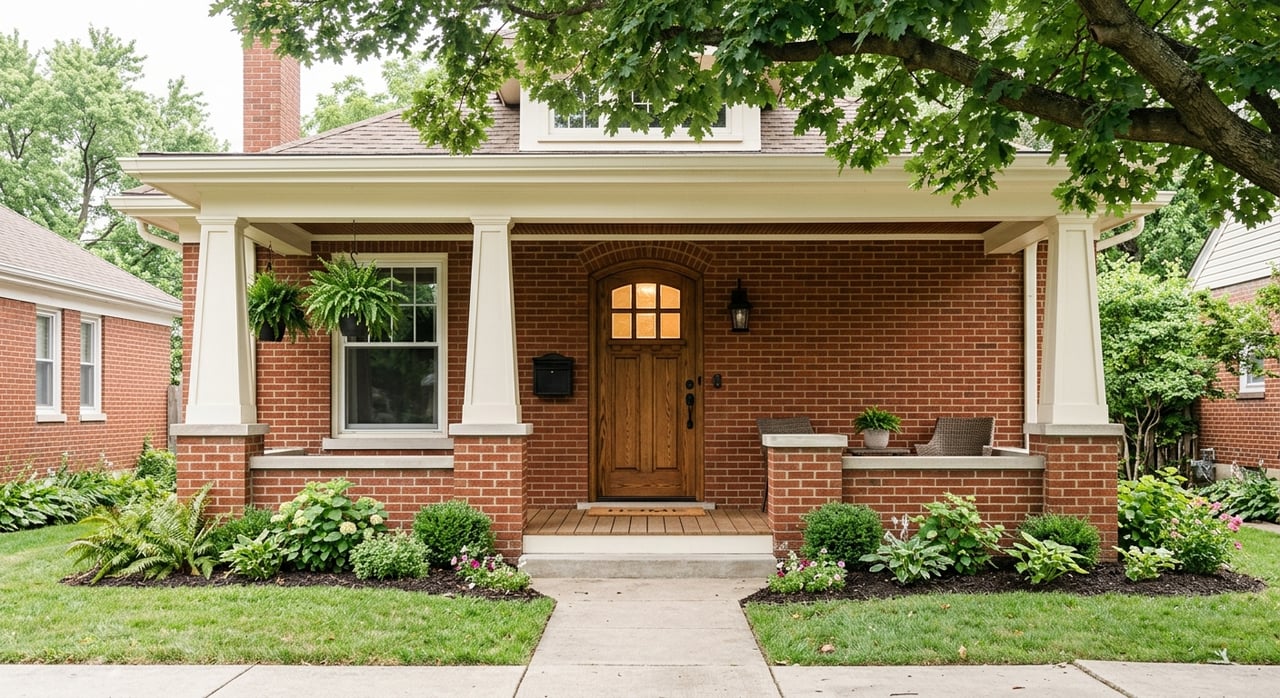
These neighborhoods were often built over long periods of time, so architectural styles can shift from one block to the next. According to the city’s preservation plan, common historic home types in Fort Worth include bungalows, prairie four-squares, Tudor cottages, Mediterranean, Tudor Revival, and Spanish Colonial Revival homes.
Fairmount offers scale and bungalow charm
Fairmount is described by its neighborhood association as the largest historic neighborhood in the southwestern United States. It includes more than 1,000 contributing structures, with many homes dating from the late 1800s through the early 1920s.
If you love bungalows and four-square homes, Fairmount gives you a concentrated look at that style. The neighborhood also reflects the tighter urban lot pattern common in older Fort Worth districts, which can create a more walkable, close-knit street feel.
Ryan Place blends history and central access
Ryan Place began in 1911 and sits just south of downtown Fort Worth near restaurants, businesses, and the Medical District. For buyers who want an older home without giving up central access, that location can be a major draw.
The neighborhood is also known for association-led traditions like its Candlelight Christmas Tour of Homes. That kind of community activity often appeals to buyers who want a neighborhood with an established identity.
Berkeley Place mixes styles and details
Berkeley Place stands out for architectural variety. The neighborhood association notes influences that include ante-bellum design, bungalow, streamline moderne, Craftsman, and French creole styles.
Most homes are brick or stucco and often feature pointed arches and multiple roof lines. If you are drawn to exterior detail and block-by-block variation, this kind of neighborhood can feel especially appealing.
Historic Southside reflects heritage and revitalization
Historic Southside is one of Fort Worth’s oldest African-American neighborhoods. Its community materials emphasize heritage, revitalization, and neighborhood identity.
For buyers, that means the appeal may go beyond architecture alone. In some areas, the decision to buy a historic home is also about being part of a place with a documented story and long-standing community presence.
What new construction adds
If historic neighborhoods are often about charm and context, new construction usually focuses on convenience and a packaged lifestyle. In Fort Worth, master-planned communities show how builders and developers are meeting demand for newer homes with shared amenities and structured design standards.
The clearest local example is Walsh, a 7,200-acre west Fort Worth community located about 12 minutes from downtown. It was planned with neighborhoods, mixed-use areas, more than 32 miles of hike-and-bike trails, community pools, courts, playgrounds, a private lake, dog parks, a market, a makerspace, telehealth, and an on-site elementary school.
Walsh shows the master-planned model
Walsh also helps explain why some buyers choose new construction even when they appreciate older neighborhoods. The developer says it studied iconic Fort Worth neighborhoods for inspiration and created a pattern book to guide architecture.
At the same time, ownership is more structured. Walsh’s HOA materials explain deed restrictions, architectural review, assessments tied to lot size, and services such as common-area upkeep, front-yard maintenance, community events, amenity access, and 2GB home internet.
New communities offer lot and lifestyle options
One advantage of new construction is that you can often choose from a wider range of homesite sizes and floor plans. In Walsh, current lot options include 35-, 50-, 55-, 60-, and 70-foot homesite tiers, plus custom lots. In Cline Park, custom homesites range from 13,000 to 24,000 square feet.
Other nearby examples show how broad the new-construction category can be. Wildflower Ranch is a 1,100-acre master-planned community north of Fort Worth with planned trails, playgrounds, a dog park, an event area, a lazy river, and a planned elementary school. Wellington in the Haslet area is planned around 40-, 50-, and 60-foot homesites, along with green space, trails, ponds, pools, and an amenity center.
Historic charm versus modern convenience
If you are weighing both options, it helps to compare them in everyday terms. The question is not whether one is better overall. The question is which tradeoffs feel right for your lifestyle, budget, and long-term plans.
| Feature | Historic Neighborhoods | New Construction |
|---|---|---|
| Home style | Distinct architecture and original details | Newer finishes and more uniform construction |
| Location | Often closer to central Fort Worth | Often in larger planned communities farther out |
| Lot pattern | Typically tighter urban lots | Broader range of lot sizes |
| Community feel | Often association-driven and identity-focused | Often amenity-driven and HOA-managed |
| Renovation path | More review for exterior changes in historic areas | Usually more predictable within HOA rules |
| Amenities | Usually neighborhood events and streetscape character | Pools, trails, parks, courts, and other shared features |
What to know about renovations in historic districts
For many buyers, the biggest practical difference with a historic home is exterior review. The City of Fort Worth states that exterior alterations, new construction, and demolition affecting historic properties require a Certificate of Appropriateness before permits or construction.
That review process can apply to changes involving siding, windows, doors, porches, roofing, fences, additions, driveways, and overall massing. The goal is compatibility with the district’s character, not just changes to one individual house.
Context matters as much as the house
City materials for Fairmount highlight how scale, setbacks, and massing relate to adjacent homes. That is an important point if you are thinking about additions or major exterior updates.
In other words, buying in a historic district may mean more planning before you make visible changes. For some buyers, that is a fair trade for preserved character. For others, it may feel too limiting.
Historic ownership may include incentives
Restrictions are only part of the story. The city also notes possible benefits for designated properties, including a 10-year tax freeze for Historic and Cultural Landmark properties and, in some cases, a 15-year freeze for Highly Significant Endangered properties.
That does not mean every historic home qualifies, but it is a reminder to look at both the obligations and the potential benefits when comparing options.
What to know about older-home due diligence
Older homes come with their own inspection and maintenance questions. One important item is lead-based paint.
The EPA states that homes built before 1978 may contain lead-based paint, and renovation, repair, and painting can create lead dust in pre-1978 housing. The agency also notes that HUD and EPA disclosure rules apply to most pre-1978 homes, so buyers should understand those requirements early in the process through the EPA’s lead-based paint guidance.
How to decide what fits you best
A simple framework can make this choice easier. If you care most about original architecture, close-in location, and a neighborhood with long-established identity, a historic area may feel like the right fit.
If you care most about amenity access, newer systems, lot-size options, and a more straightforward path for updates, new construction may make more sense. Walsh is a useful middle ground because it blends heritage-inspired design with modern management and community amenities.
Tour one of each before deciding
If you are still early in your search, one of the smartest next steps is to tour one historic neighborhood and one new-construction community. Walking both in person often makes your priorities much clearer.
You may realize you care more about porch character and central location than resort-style amenities. Or you may find that trails, pools, internet service, and a newer floor plan matter more than architectural age.
The bottom line for Fort Worth buyers
Fort Worth gives you real variety, which is a good problem to have. Historic neighborhoods like Fairmount, Ryan Place, Berkeley Place, and Historic Southside offer architectural personality and close-in identity. Newer communities like Walsh, Wildflower Ranch, and Wellington offer planned amenities, homesite options, and more structured ownership expectations.
The right choice comes down to how you want your home and community to support your daily life. If you want help comparing older Fort Worth neighborhoods with new-construction options, the team at Cardoza Group, Inc can guide you through tours, tradeoffs, and next steps with a personalized approach.
FAQs
What is the main difference between historic homes and new construction in Fort Worth?
- Historic homes usually offer more architectural character, close-in locations, and established neighborhood identity, while new construction often offers modern amenities, lot-size variety, and a more predictable path for updates.
What Fort Worth historic neighborhoods should buyers compare first?
- A strong starting point is Fairmount, Ryan Place, Berkeley Place, and Historic Southside because each has documented historic character and a distinct neighborhood feel.
What should buyers know about renovating a historic home in Fort Worth?
- Exterior alterations, new construction, and demolition affecting historic properties may require a Certificate of Appropriateness, so it is important to review local preservation rules before planning changes.
What amenities do new-construction communities near Fort Worth often include?
- Communities such as Walsh, Wildflower Ranch, and Wellington may include trails, pools, parks, playgrounds, dog parks, event spaces, and other shared features, depending on the development.
What due diligence matters most when buying an older Fort Worth home?
- Buyers should pay close attention to standard inspection items and should also understand lead-based paint risks and disclosure requirements for most homes built before 1978.
How can Fort Worth buyers choose between a historic home and a new build?
- Touring one historic neighborhood and one new-construction community is often the clearest way to compare character, location, amenities, and ownership expectations side by side.