Choosing between a high-rise near Katy Trail and a backyard in a master-planned community can feel overwhelming. You want the right mix of space, commute, schools, and everyday convenience. In this guide, you’ll learn how Dallas city living compares with nearby suburbs like Plano, Frisco, and Mansfield so you can decide what fits your lifestyle and budget. Let’s dive in.
Dallas vs. suburbs at a glance
Dallas is the urban core of a fast-growing region. The city itself has about 1.3 million residents, while surrounding suburbs add several million more and continue to grow. Plano, Frisco, and Mansfield are popular choices for buyers seeking newer homes and community amenities.
North Dallas suburbs, especially in Collin and Denton counties, have seen strong job and population growth with significant new construction. Inside Dallas, you’ll find infill townhomes and condos, plus established neighborhoods with character and walkable pockets.
Housing types and neighborhood feel
Dallas housing options
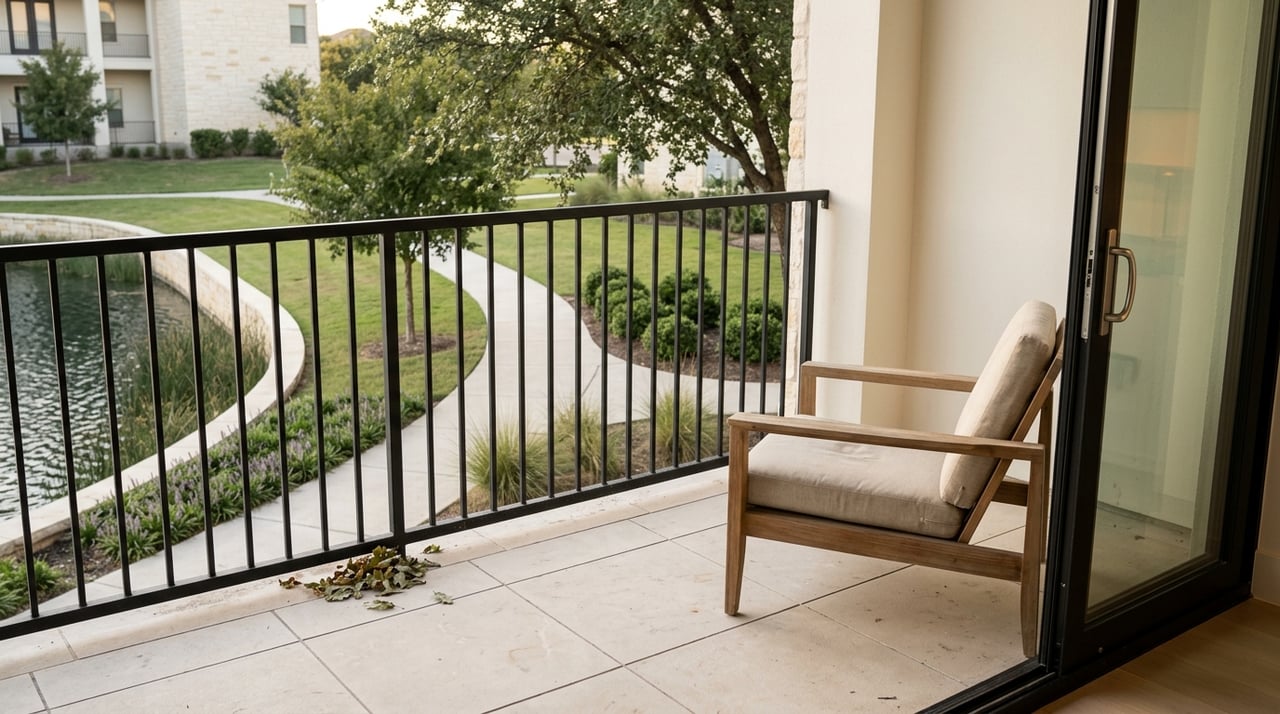
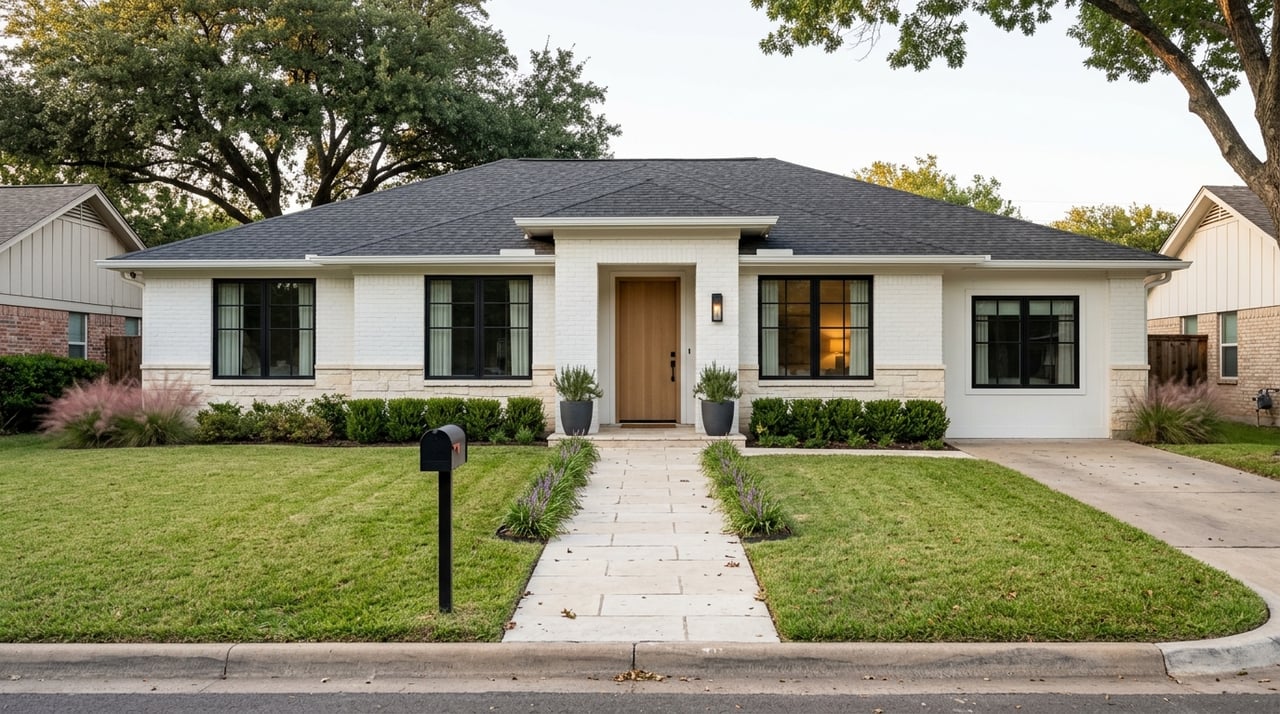
Inside Dallas, you’ll see a diverse mix. Inner neighborhoods offer older bungalows, mid-century homes, renovated historic properties, modern townhomes, and mid- to high-rise condos in areas like Uptown, Downtown, Victory Park, and Deep Ellum. Lots tend to be smaller, and attached homes or condos provide lower-maintenance options near dining and culture.
Suburban housing options
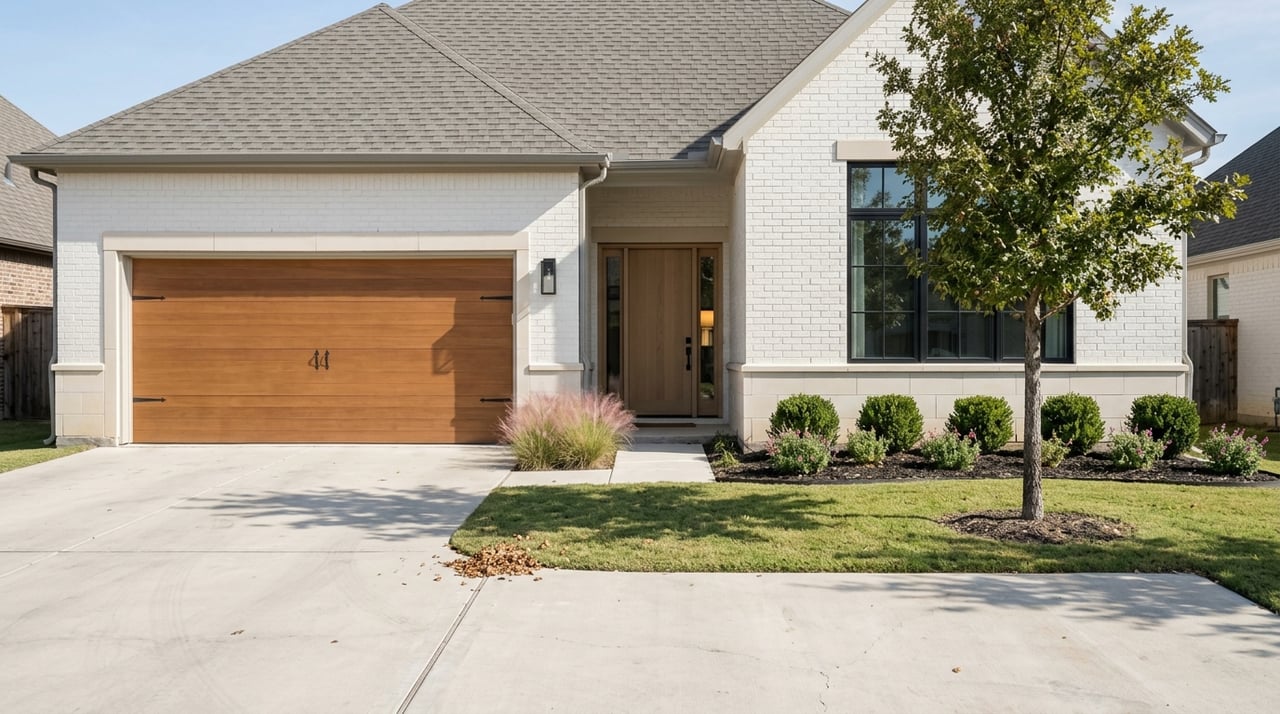
In suburbs like Plano, Frisco, and Mansfield, single-family homes dominate. Many subdivisions are newer and part of master-planned communities with sidewalks, community pools, and pocket parks. You can still find townhomes and garden-style condos, but larger lots and two-car garages are common.
Age, condition, and maintenance
Suburban homes are often newer, with modern floor plans and builder warranties. Dallas has a wide range, from historic homes that may need system updates to recent infill construction. In the city, HOA fees are more common with condos and townhomes, while in the suburbs you’ll often trade HOA dues for more yard upkeep and owner maintenance.
Commute and transportation
Driving reality
The region is car-oriented, and most people drive to work. Average one-way commute times often fall in the 25 to 35 minute range, but suburban-to-downtown trips can run 30 to 60 minutes or more depending on route and traffic. Major corridors include US-75 through Plano, Dallas North Tollway, I-35E, I-30, I-20, I-635, and State Highway 121 in the north.
Transit access
Dallas Area Rapid Transit (DART) serves much of the city with rail and buses and extends into some suburbs. The Red Line reaches Plano, and the Trinity Railway Express connects Dallas and Fort Worth along a defined corridor. Frequency and walkability to stations vary, so proximity to a stop matters if you plan to ride regularly.
Airport access
Dallas Love Field sits within the city and is convenient to many urban neighborhoods. DFW International Airport is located between Dallas and Fort Worth and is easily reached by car from most suburbs. If you fly often, factor drive times to both airports into your neighborhood search.
Everyday lifestyle differences
Walkability and entertainment
Urban neighborhoods like Uptown, Oak Lawn, Deep Ellum, Bishop Arts, and Downtown offer high walkability with restaurants, shops, and nightlife close by. You can run errands or meet friends without a long drive. In the suburbs, daily errands typically mean driving, though nodes like Legacy West and The Shops at Legacy in Plano, Frisco Station, and Mansfield Town Center cluster dining and retail.
Schools and districts
Public school quality varies by district, and boundaries matter. Plano ISD and Frisco ISD are frequently rated highly and are a major draw for some families. Dallas ISD includes well-regarded magnet programs and neighborhood schools with mixed ratings. Always check current district maps and school performance data for your specific address.
Taxes, HOAs, and ownership costs
Texas has no state income tax, so property taxes and assessed values drive your annual bill. Rates and values vary by city, county, and school district. HOA fees are common for condos, many townhomes, and suburban master-planned communities, so include those dues in your monthly budget.
Safety and services
Crime patterns vary by neighborhood rather than citywide. Review local police data and neighborhood-level reports when comparing areas. Dallas has major hospitals and cultural institutions, while suburbs increasingly offer regional medical centers, libraries, and community programming.
Parks and outdoor access
Dallas offers urban parks and trails like the Katy Trail and White Rock Lake. Suburbs often include larger neighborhood parks, trails, and community amenities, and many homes have private yards. If outdoor space is a priority, compare lot sizes and access to trails near each home you tour.
Price and inventory basics
Prices vary significantly by neighborhood, school district, and home type. High-growth suburbs such as Frisco and parts of Plano have seen strong appreciation due to sustained demand and proximity to employment centers. Dallas offers a broader mix, from more affordable older areas to premium urban neighborhoods near core amenities.
New construction is typically more available in the suburbs, where some builders offer incentives. In Dallas, urban infill is growing but more limited, and condos or townhomes may include higher HOA dues. Your agent can help compare total monthly costs across locations and property types.
Urban vs. suburban quick comparison
| Factor | Urban Dallas | Suburbs (Plano, Frisco, Mansfield) |
|---|---|---|
| Typical home type | Condos, townhomes, older single-family | Newer single-family, some townhomes/condos |
| Space and lot size | Smaller interiors and lots | Larger interiors and yards |
| Walkability | High in select neighborhoods | Car-oriented with mixed-use hubs |
| Commute patterns | Shorter distances within city | Longer drives to downtown common |
| Transit access | DART rail/bus coverage in many areas | Rail/bus limited to specific corridors |
| Schools | Mix of neighborhood and magnet options | Districts frequently rated highly in some areas |
| Monthly costs | HOA possible for condos/townhomes | HOA common in master-planned areas |
| New construction | Limited infill options | More choices and builder incentives |
Build your decision plan
Use this checklist to clarify what matters most:
- Must-haves: bedrooms, yard, garage, office or flex space.
- Maximum one-way commute time in minutes.
- School priorities: district, programs, extracurriculars, public or private.
- Transit needs: proximity to rail or park-and-ride, parking requirements.
- Monthly budget: mortgage, taxes, HOA, insurance, utilities, maintenance.
- Neighborhood character: walkability, nightlife, parks, community amenities.
- Resale considerations: neighborhood growth, planned developments, supply.
- Timeline: move-in date, whether to rent first, flexibility for new construction.
When to bring in a local agent
Connect with a local advisor as soon as you have a budget range and a short list of priorities. A Dallas-area agent can set up MLS alerts, explain neighborhood and school boundary nuances, and model monthly costs including property taxes, HOA dues, and insurance. They also run commute checks at the times you expect to travel and share area-specific insights on inspection issues by home age and type.
If you are relocating, a local agent can coordinate virtual tours, drive-by videos, and introductions to lenders, inspectors, and other vendors. When it is time to negotiate, local experience helps you gauge value, structure offers, and keep the process smooth.
How to compare two homes side by side
Want a quick framework you can use today? Try this side-by-side exercise:
- Urban condo or townhome: note list price, HOA dues, estimated taxes, insurance, parking or storage fees, and transit access. Add commute time at your target rush-hour.
- Suburban single-family: note list price, lot size, estimated taxes, insurance, HOA if applicable, and likely maintenance. Add commute time via your preferred route.
- Add up total monthly costs and time costs: include mortgage, taxes, HOA, and estimated fuel or transit spend. Compare with your must-haves and lifestyle goals.
If numbers are close, tour both areas at the same time of day. The feel of a street, traffic flow, and how you use nearby amenities often break the tie.
Next steps
- Define your non-negotiables using the checklist above.
- Choose up to three target areas: one urban, one or two suburbs.
- Run commute tests at the times you plan to travel.
- Tour sample homes to pressure-test space needs and costs.
When you are ready, reach out for a personalized plan. With deep local knowledge, bilingual service, and a high-touch experience backed by Compass tools, the Cardoza Group, Inc team can help you compare neighborhoods, model monthly costs, and navigate your next move with confidence.
FAQs
Which Dallas neighborhoods are most walkable?
- Uptown, Oak Lawn, Deep Ellum, Bishop Arts, and Downtown offer dense retail and dining with strong walkability in many blocks.
Which suburbs are known for strong schools near Dallas?
- Plano ISD and Frisco ISD are frequently rated highly; verify current ratings and attendance zones for your specific address.
How long is the commute from Frisco, Plano, or Mansfield to downtown Dallas?
- Typical drive times can range from about 25 to 60 minutes or more depending on exact location, route, and rush-hour conditions.
Are property taxes higher in the suburbs than in Dallas?
- Not always; your tax bill depends on assessed value and combined rates for city, county, and school district, which vary by location.
Is rental demand stronger in the city or in the suburbs around Dallas?
- Urban condos and small homes often attract young professionals, while suburban single-family rentals draw longer-term tenants; demand varies by neighborhood.
What affects resale value across Dallas and its suburbs?
- Resale is shaped by neighborhood desirability, school district, nearby development, and local supply; check current plans and trends for your target area.